
What Affects Investment Casting Cost Per Kg?
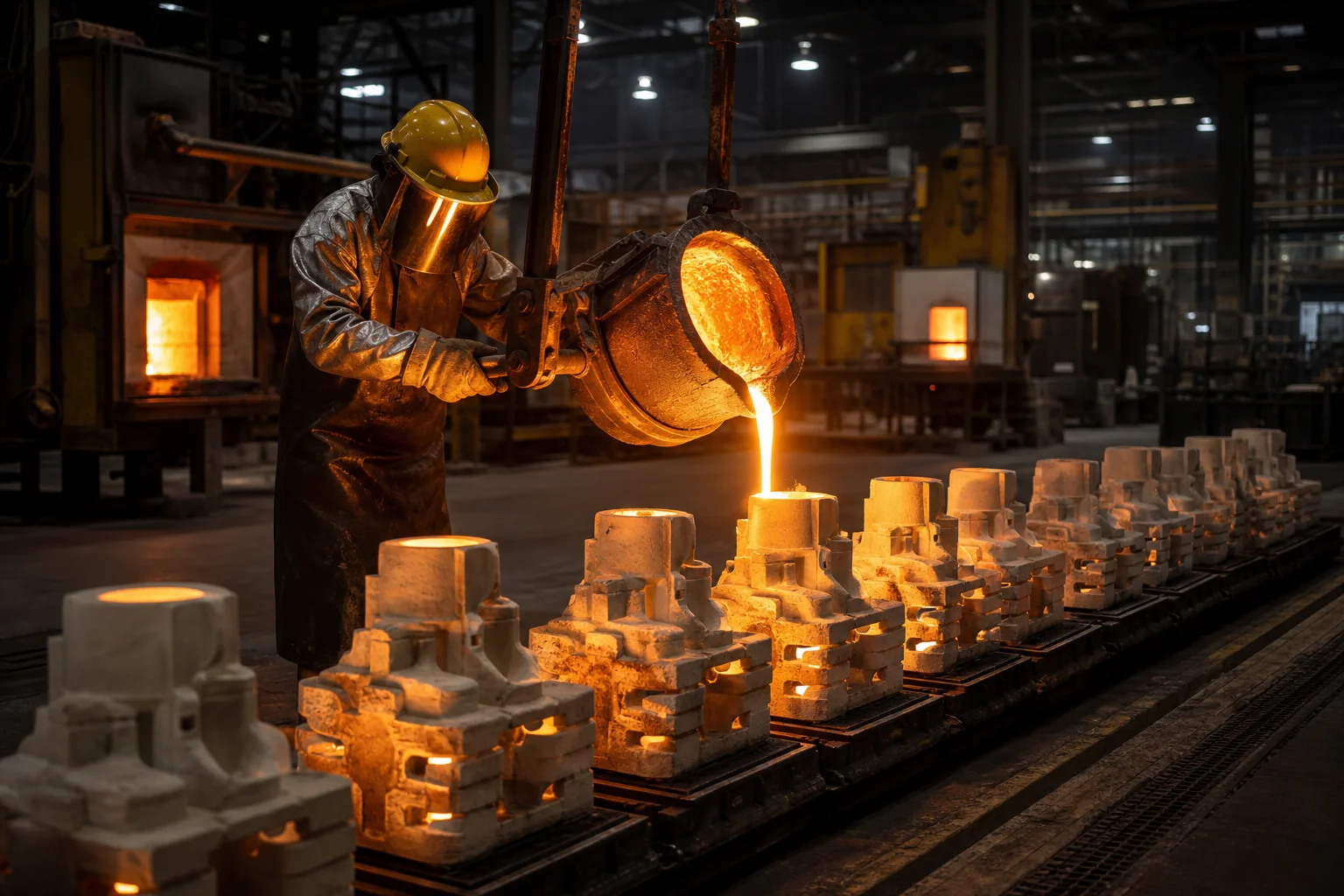
Pull two investment casting quotes for the same 2 kg stainless steel valve body and you might see prices that differ by 40%. Same weight. Same alloy family. Completely different numbers. The reason is almost never the foundry's margin — it's the six cost drivers that sit beneath the surface of every per-kilogram price. Until procurement teams understand those drivers, benchmarking quotes is little more than guesswork.
This guide breaks down the primary investment casting cost per kg factors in plain terms, so industrial buyers and OEM procurement teams can evaluate quotes with confidence, identify where costs are genuinely justified, and apply practical levers to reduce per-unit spend without compromising dimensional accuracy or material integrity.
Why Cost Per Kg Is the Wrong Metric Alone
Cost per kilogram is a convenient shorthand, but it strips away the context that actually determines value. A 2 kg carbon steel bracket and a 2 kg 17-4PH stainless steel aerospace bracket are not comparable on a per-kg basis — the alloy cost alone differs by a factor of four or more. Add geometric complexity, required tolerances, and post-cast machining, and the two parts occupy entirely different cost structures.
The more useful metric for procurement teams is total cost per finished part: the sum of material, tooling amortization, processing, inspection, machining, and logistics. Reducing cost per kg at the casting stage while ignoring downstream machining costs is a common trap that inflates total landed cost.
The six primary cost drivers covered in this post are:
- Alloy material grade and raw metal prices
- Part complexity and geometric features
- Wall thickness and minimum section size
- Tooling amortization and die cost
- Batch volume and production run size
- Post-cast machining and secondary operations
Understanding how each factor behaves, and how they interact, gives procurement teams a structured framework for evaluating any foundry quote.
1. Alloy Material Grade and Raw Metal Prices
Material cost typically accounts for 40, 60% of the total investment casting price. This makes alloy selection the single largest lever in the cost equation, and also the most frequently over-specified one.
Ferrous vs Non-Ferrous: The Cost Spectrum
Carbon steel and low-alloy steel sit at the lower end of the material cost range. Standard grades like ASTM A216 WCB or CF8M are widely available and competitively priced. Moving up the alloy ladder, costs increase substantially:
- Carbon steel (WCB, WCC): Baseline material cost, suitable for general engineering, pump bodies, and valve housings operating in moderate conditions
- Stainless steel 304/316: Moderate premium over carbon steel; widely used in pump and valve components, food processing, and marine applications
- Duplex stainless (2205, 2507): Significant cost premium; justified for aggressive corrosive environments in oil and gas or chemical processing
- 17-4PH and precipitation-hardening grades: High cost; used in aerospace and defence where strength-to-weight ratio is critical
- Nickel-based superalloys (Inconel 625, 718): Highest cost tier; reserved for extreme temperature and pressure applications
- Non-ferrous (aluminium, brass, bronze): Variable cost depending on grade; aluminium alloys are generally cost-effective, while specialist bronzes carry a premium
Commodity price volatility is a real factor. Nickel, chromium, and molybdenum prices fluctuate with global supply chains. Reputable foundries will include a material price adjustment clause in long-term contracts rather than absorbing volatility silently, which would eventually surface as quality compromises or supply disruptions.
Wellmake Technocast manufactures in both ferrous and non-ferrous alloys, giving OEM buyers the flexibility to specify the right material grade for the application rather than defaulting to what a single-alloy foundry can offer.
2. Part Complexity and Geometric Features
Investment casting's core advantage is its ability to produce complex geometries that would require extensive machining in other processes. But complexity is not free, it adds cost at multiple stages of the process.
Where Complexity Adds Cost
Each additional geometric feature, an undercut, an internal passage, a thin rib, a tight-radius fillet, increases the complexity of the wax injection die, the wax pattern assembly, and the ceramic shell building process. More complex parts typically require:
- More ceramic shell layers and longer inter-coat drying cycles
- More careful wax pattern assembly and gating design
- Higher scrap rates during shell building and casting
- More intensive dimensional inspection post-cast
The critical point for procurement teams is that investment casting adds less cost per unit of complexity than machining or forging. A feature that would require five separate machining operations can often be cast near-net-shape in a single pour. This is why the process is economically justified for complex parts even when the per-kg casting price appears higher than simpler alternatives.
A Design for Manufacturability (DFM) review before tooling is cut can identify features that add cost without adding function. Experienced foundries will flag these during the quoting stage, it's a sign of a supplier focused on long-term partnership rather than short-term order capture.
3. Wall Thickness and Minimum Section Size
Wall thickness is one of the more technical cost drivers, and one that is often underestimated during the design phase.
Thin Walls: Higher Process Demands
Sections below 2 mm require specialized ceramic shell formulations, slower metal pour rates, and tighter process controls to ensure complete fill without cold shuts or misruns. The scrap rate for thin-walled castings is higher, which is reflected in the per-kg price. For very thin sections (below 1.5 mm), some alloys become impractical without design modification.
Thick Sections: Shrinkage and Porosity Risk
At the other extreme, thick sections create solidification challenges. As metal cools, it contracts, and in thick sections, this can produce internal shrinkage porosity if the gating and riser system is not carefully designed. Managing this requires additional process engineering time and, in some cases, post-cast inspection by radiography or ultrasonic testing, both of which add cost.
The most cost-efficient designs maintain uniform wall thickness wherever possible, with gradual transitions between thick and thin sections. This reduces both scrap rates and inspection requirements, directly lowering the per-kg cost.
4. Tooling Amortization and Die Cost
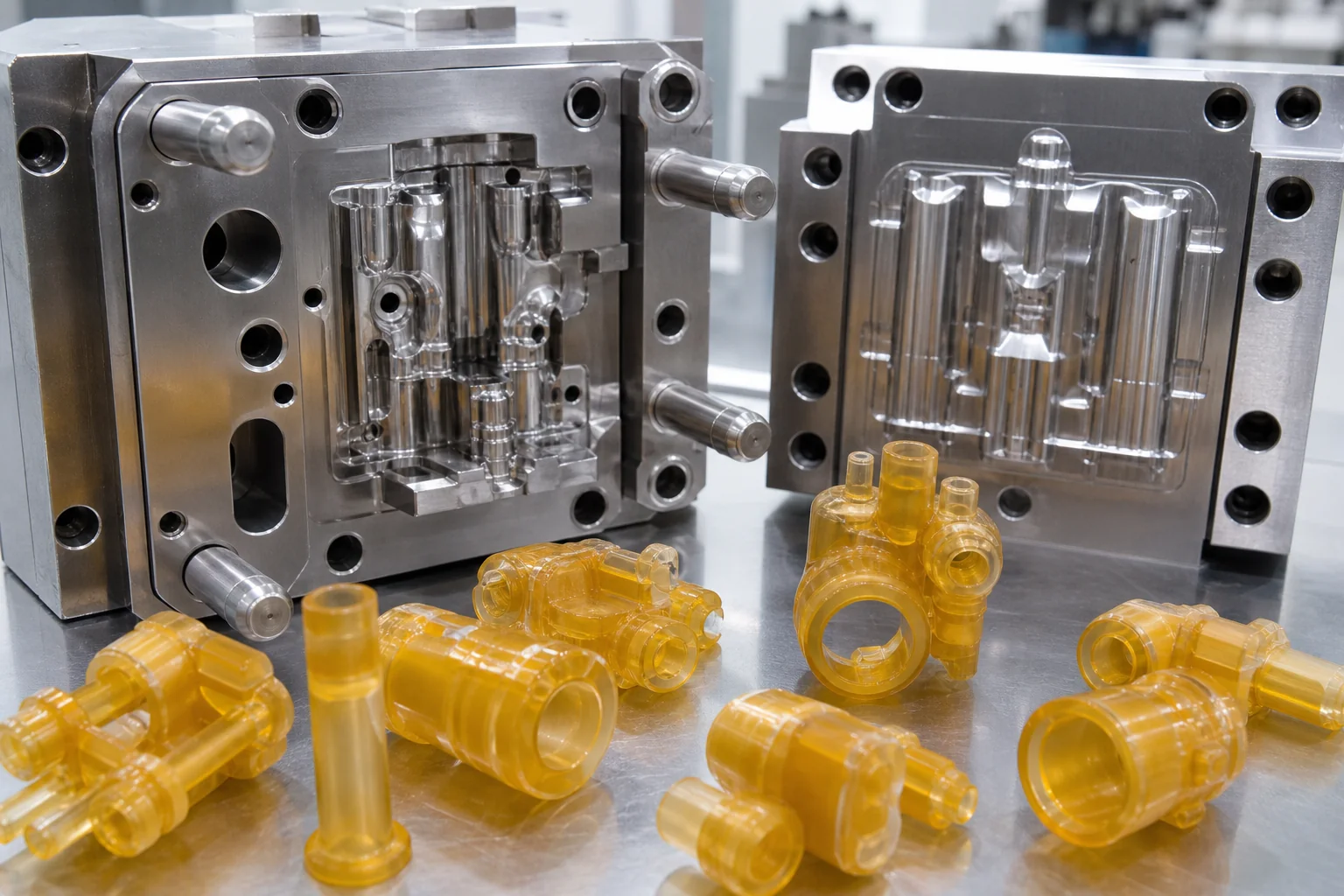
Wax injection dies are the foundation of the investment casting process. They are precision-machined metal tools, typically aluminium or steel, that define the exact geometry of the wax pattern, which in turn defines the final casting geometry.
Understanding the Tooling Cost Structure
Tooling is a one-time capital cost, but it has a direct and significant impact on per-unit economics through amortization. A simple single-cavity die for a small bracket might cost a few hundred dollars. A complex multi-cavity die for a precision valve body with tight tolerances can run into several thousand dollars. The key variable is how that cost is spread across the production run.
Consider a simplified example:
- Tooling cost: $3,000
- At 500 units: $6.00 tooling cost per part
- At 2,000 units: $1.50 tooling cost per part
- At 5,000 units: $0.60 tooling cost per part
This is why foundries quote differently for prototype runs versus production volumes. The casting process itself may cost the same per unit, but the tooling amortization component drops dramatically as volume increases.
For a detailed breakdown of tooling cost structures, the post on investment casting supplier selection for OEM buyers covers how to evaluate tooling ownership terms when working with overseas foundries.
At Wellmake Technocast, tooling is designed and manufactured in-house, giving customers direct control over die ownership and reuse across repeat orders. This eliminates the risk of tooling being held by a third-party die maker, a common issue when working with foundries that outsource their tooling.
5. Batch Volume and Production Run Size
Volume is one of the most powerful levers in the investment casting cost equation. Fixed costs, furnace setup, shell building labor, heat treatment cycles, and inspection setup, are spread across every unit in a production run. The larger the run, the lower the fixed cost per unit.
Where the Volume Breaks Occur
Most foundries see meaningful per-unit cost reductions at specific volume thresholds. While exact break points vary by part and foundry, the general pattern holds:
- Prototype / low volume (1, 50 units): Highest per-unit cost; tooling amortization dominates; suitable for design validation
- Small production run (50, 500 units): Tooling cost begins to dilute; process efficiency improves; per-unit cost drops noticeably
- Medium production run (500, 2,000 units): Fixed costs well-distributed; foundry can optimize tree assembly and furnace loading for efficiency
- High volume (2,000+ units): Maximum cost efficiency; multi-cavity tooling becomes economically justified; per-kg cost at its lowest
Wellmake's 70 MT monthly production capacity means the foundry can accommodate both mid-volume and high-volume orders without the scheduling constraints that limit smaller operations. For OEM buyers with predictable annual demand, this capacity enables blanket order arrangements that lock in volume pricing while maintaining delivery flexibility.
The relationship between minimum order quantities and per-unit cost is explored in depth in the context of how MOQ decisions affect total procurement economics, a consideration that applies directly to how buyers should structure their annual casting requirements.
6. Post-Cast Machining and Secondary Operations
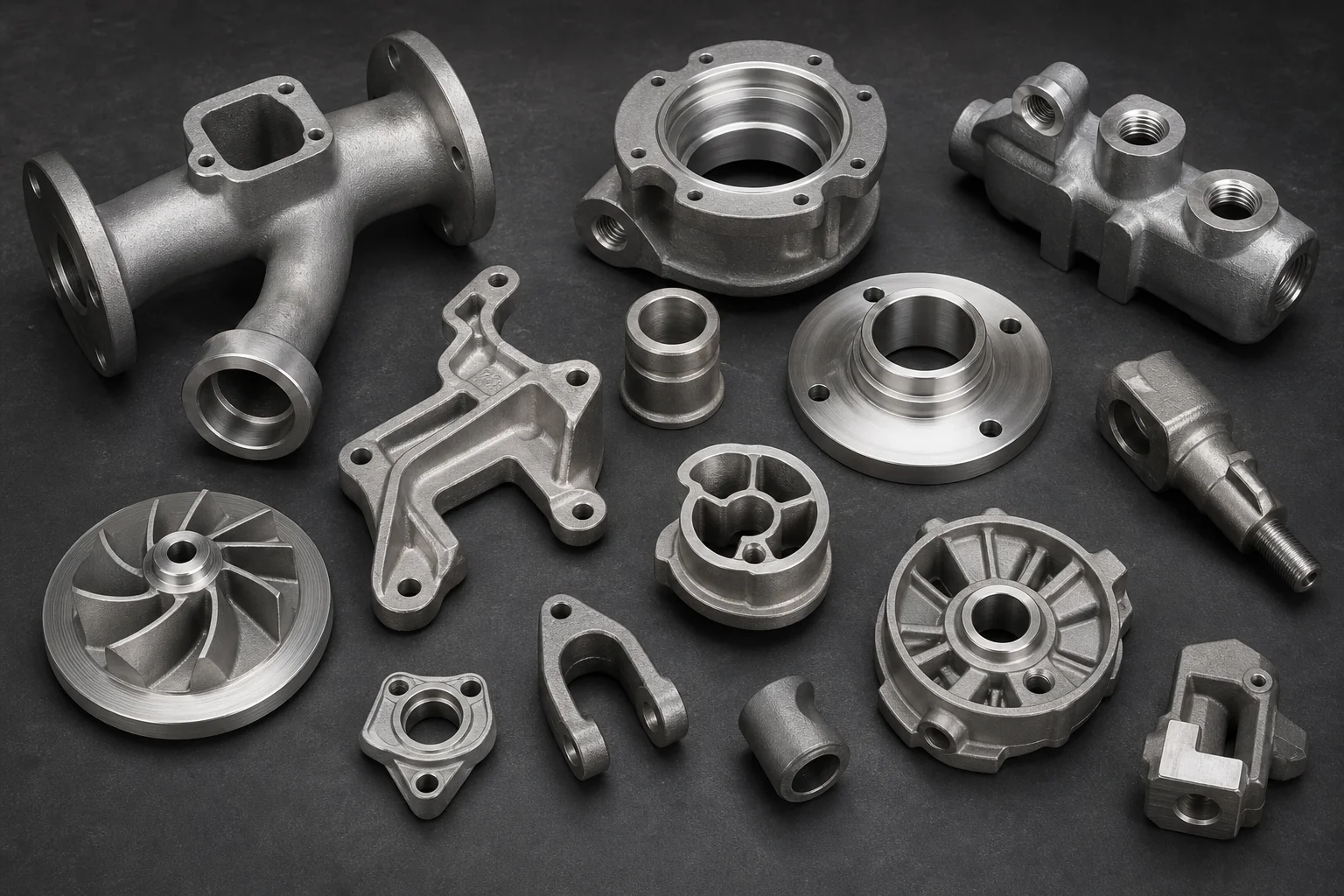
Investment casting produces near-net-shape components, but "near-net-shape" is not the same as "finished." Most industrial components require some level of post-cast work before they are line-ready.
The True Cost of Secondary Operations
Secondary operations that add to total cost include:
- CNC machining: Tight-tolerance bores, threads, sealing faces, and mating surfaces that cannot be achieved by casting alone
- Heat treatment: Annealing, solution treatment, or age hardening to achieve specified mechanical properties
- Surface finishing: Shot blasting, grinding, polishing, or coating for functional or aesthetic requirements
- Non-destructive testing (NDT): Radiography, ultrasonic testing, or dye penetrant inspection for critical applications
- Dimensional inspection and certification: CMM inspection, material test reports, and third-party certification
Single-Source vs Split-Source: The Hidden Cost Difference
Many buyers source castings from one supplier and machining from another. This approach introduces coordination costs, duplicate inspection requirements, inter-supplier logistics, and accountability gaps when a finished part fails to meet specification. The casting supplier blames the machining supplier; the machining supplier blames the casting quality. The buyer absorbs the delay.
A single-source supplier that handles both casting and machining under one roof eliminates these friction points. Wellmake Technocast's in-house machining capability means that dimensional tolerances are controlled from wax pattern to finished component, with a single point of accountability for quality. For OEM buyers evaluating total landed cost, this integration typically delivers measurable savings over split-source arrangements, even when the individual casting price appears comparable.
For buyers in Europe evaluating overseas foundry options, the OEM guide to investment casting suppliers covers how to structure supplier agreements that account for machining scope and quality responsibility.
How to Benchmark Foundry Quotes Using These Factors
Armed with an understanding of the six cost drivers, procurement teams can move from passive quote comparison to active benchmarking. The goal is to normalize quotes to a common basis before drawing conclusions.
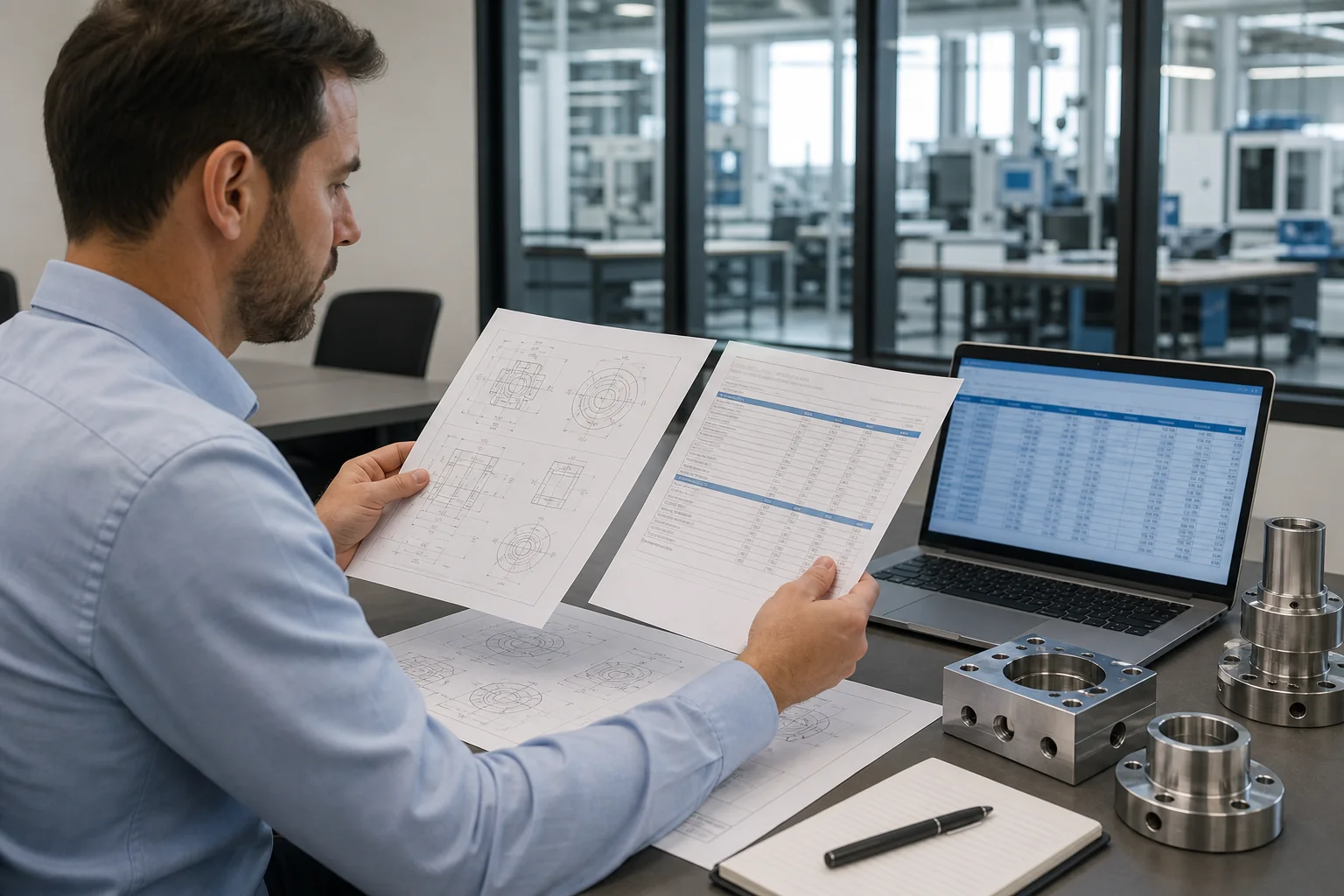
Request an Itemized Cost Breakdown
Ask every foundry to provide a quote that separates:
- Material cost: Alloy grade, weight, and current commodity price basis
- Tooling cost: Die design, manufacture, and ownership terms
- Processing cost: Shell building, casting, heat treatment, and finishing
- Machining cost: CNC operations, tolerances, and surface finish requirements
- Inspection and certification cost: Testing scope and documentation
- Logistics and packaging: Export packaging, freight terms, and lead time
A foundry that cannot or will not provide this breakdown is a foundry that cannot explain its own pricing, which is itself a risk signal.
Normalize to Total Cost Per Finished Part
Once you have itemized quotes, calculate the total cost per finished part at your expected annual volume. Include tooling amortization at that volume. A quote that appears 15% cheaper per kg may be more expensive per finished part once tooling, machining, and inspection are included.
Evaluate Quality Certifications as Cost-Risk Reducers
ISO 9001 certification is a baseline quality management requirement. ISO 14001 and ISO 45001 certifications indicate a foundry that manages environmental and occupational health risks systematically, which correlates with process discipline and lower defect rates. A foundry with triple ISO certification is statistically less likely to produce a batch of non-conforming parts that forces a costly rework or replacement cycle.
Wellmake Technocast holds ISO 9001, ISO 14001, and ISO 45001 certifications, supported by in-house testing equipment including a spectrometer, universal testing machine, hardness tester, and impact testing machine. This infrastructure means quality data is generated at the source, not assumed.
Watch for Red Flags in Low Quotes
A quote that is significantly below market for a given alloy and complexity level warrants scrutiny. Common explanations include:
- Alloy substitution (lower grade than specified)
- Tooling cost deferred to a later invoice
- Inspection scope reduced or omitted
- Machining tolerances loosened without disclosure
Requesting material test reports (MTRs) and first article inspection (FAI) reports as standard deliverables, before committing to a production order, is the most effective way to verify that a low quote reflects genuine efficiency rather than hidden compromises.
Practical Levers to Reduce Investment Casting Cost Per Kg
Cost reduction in investment casting is not about pressuring foundries on margin. It's about removing genuine cost from the process through smarter design, sourcing, and planning decisions.
Design and Engineering Levers
- Conduct a DFM review before tooling: Identify features that add cost without adding function. Eliminating one unnecessary undercut can reduce tooling cost and scrap rate simultaneously.
- Standardize wall thickness: Uniform walls reduce scrap rates and simplify the casting process. Where thick-to-thin transitions are unavoidable, design gradual tapers rather than abrupt steps.
- Right-size the alloy specification: Over-specifying material grade is one of the most common cost drivers in OEM procurement. If a 316 stainless component performs adequately, specifying 316L or duplex adds cost without benefit. Engage your foundry's metallurgical expertise during the design phase.
- Consolidate part families: Where two or more parts share similar geometry, explore whether a single casting with post-cast machining can replace two separate tooling investments.
Procurement and Planning Levers
- Increase batch size: Even moving from 200 to 500 units per order can produce a meaningful reduction in per-unit fixed cost. Model the inventory carrying cost against the per-unit savings to find the optimal order quantity.
- Plan orders in advance: Expedite premiums for urgent orders are real. Foundries that are managing capacity across multiple customers will charge for schedule disruption. A 12-week rolling forecast shared with your foundry partner eliminates most expedite scenarios.
- Source cast and machined from one supplier: Eliminating the cast-to-machine logistics step, duplicate inspection, and accountability gaps typically saves more than the apparent price difference between split-source arrangements.
- Build a long-term supplier relationship: Foundries invest more in process optimization, tooling maintenance, and scheduling priority for customers with predictable, repeat demand. The per-unit economics of a three-year supply agreement are structurally better than spot purchasing.
For OEM buyers evaluating overseas foundry options, understanding how to structure supplier agreements and what certifications to require is covered in the investment casting OEM supplier guide.
Frequently Asked Questions
What is a typical investment casting cost per kg range?
The range is wide because the cost drivers vary so significantly. Carbon steel castings in standard grades at medium volumes can be priced competitively, while complex stainless steel or nickel-alloy components at low volumes will carry a substantial premium. The only meaningful answer is a quote based on your specific part geometry, alloy, volume, and finishing requirements. Use the six-factor framework in this post to evaluate whether a quote is reasonable for its inputs.
How much does alloy choice affect the final price?
Alloy choice is typically the largest single variable in investment casting pricing, accounting for 40, 60% of total cost. Moving from carbon steel to 316 stainless steel can double the material cost component. Moving to duplex stainless or Inconel can increase it by a factor of four to six. This is why right-sizing the alloy specification, using the minimum grade that meets the application's mechanical and corrosion requirements, is the highest-impact cost reduction lever available during the design phase.
Does higher geometric complexity always mean higher cost?
Not necessarily, relative to alternative manufacturing processes. Investment casting's near-net-shape capability means that features which would require multiple machining operations in a forged or sand-cast blank are produced in a single pour. A complex investment casting may cost more per kg than a simple one, but it may cost significantly less per finished part than a simpler casting that requires extensive downstream machining. Always compare on a total cost per finished part basis.
How does Wellmake price machined vs un-machined components?
Wellmake Technocast provides pricing for both un-machined castings and fully machined, line-ready components. The machined component price reflects the casting cost plus in-house CNC machining, with a single quality inspection covering both stages. For buyers currently sourcing castings and machining separately, contacting Wellmake directly with your current part drawings and machining specifications will allow a direct total-cost comparison.
Making Cost Per Kg Work for Your Procurement Process
The six factors covered in this post, alloy grade, part complexity, wall thickness, tooling amortization, batch volume, and post-cast machining, are the building blocks of every investment casting quote. Understanding them transforms cost per kg from an opaque number into a structured conversation with your foundry partner.
The buyers who consistently achieve the best per-unit economics are not the ones who push hardest on price. They are the ones who bring well-designed parts, realistic volume forecasts, and a willingness to engage on DFM, and who choose a foundry with the process discipline and capacity to deliver consistently at scale.
Wellmake Technocast's 70 MT monthly capacity, in-house machining, triple ISO certification, and full ferrous and non-ferrous capability are built specifically to serve OEM buyers who need a single, accountable source for precision cast and machined components. Explore the full product range to see the component families and alloy grades Wellmake supplies across automotive, pump and valve, oil and gas, aerospace, and defence sectors. When you're ready to benchmark your current casting costs against what a structured, single-source supply arrangement can deliver, contact the Wellmake team today with your part drawings and annual volume requirements.